BF2.3

BF2.5
BF8-9.9

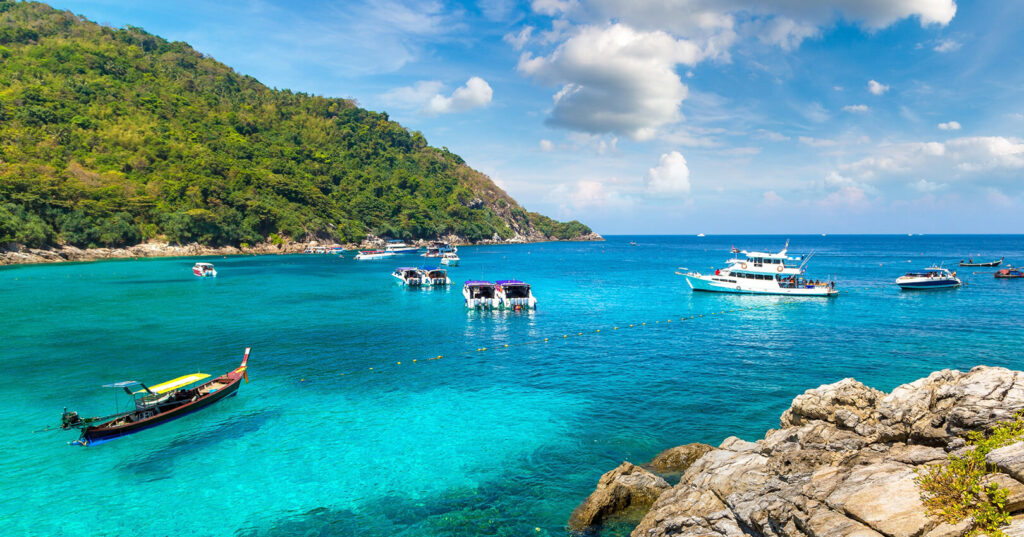
Deciding whether a vessel is a yacht or a boat often stirs curiosity among enthusiasts and potential buyers. The key difference between a yacht and a boat is primarily their size and level of luxury. A yacht is generally larger, boasting greater amenities and often serving as a status symbol. In contrast, a boat covers a broad range of smaller, less luxurious vessels used for various purposes.
Size plays a significant role in the classification, with yachts typically exceeding 30-40 feet in length. The larger dimensions of yachts allow for more lavish accommodations and features that enhance the experience on the water. Boats, on the other hand, range from modest fishing vessels to small leisure craft.
Understanding the intended use is equally important. While yachts provide luxury and comfort for leisure activities or extended voyages, boats are often utilized for more recreational or practical purposes. This distinction can help individuals make informed decisions when selecting a vessel.
The difference between yachts and boats often comes down to size, luxury, and usage. Yachts tend to be larger, more luxurious, and often require a professional crew, while boats vary widely in size and function.

Boats are versatile and cover a broad category of water vessels. These can range from small kayaks to more sizeable vessels used on rivers, lakes, and oceans. Generally, boats do not require professional crew members and are often used for various purposes such as fishing, transport, and leisure.
Boats are smaller than yachts and ships. They tend to have minimal living amenities. Unlike yachts, which prioritize luxury and comfort, boats are typically more functional. Construction materials for boats vary, including wood, fiberglass, and metal, depending on the vessel’s intended use.
Yachts are often synonymous with luxury and comfort. They are typically larger than boats but smaller than ships, and many are designed for leisure and private use. Unlike boats, yachts often come equipped with sleeping quarters, bathrooms, kitchens, and entertainment areas.
Yachts can require a professional crew to operate, although this depends on the yacht’s size and complexity. These vessels are characterized by their sleek design and are primarily used for leisure activities like cruising and racing. The cost of owning a yacht tends to be much higher due to their luxurious nature and the associated maintenance.
The contrasting design and construction of boats and yachts significantly impact their functionality and appeal. Boats prioritize efficiency and performance, while yachts are distinguished by their luxury and craftsmanship.

Boats are frequently crafted with a focus on durability and utility. Their design emphasizes elements that enable them to handle diverse waters, from lakes to open seas. The hull shape is often engineered for speed and stability, allowing for efficient navigation.
Interior spaces are typically minimalistic, made to accommodate essential equipment and storage. Materials such as fiberglass and aluminum are common, valued for their strength and resistance to harsh marine environments. The functionality-driven design often prioritizes maneuverability over aesthetics, ensuring the boat can be used for fishing, transport, or recreation effectively. This utilitarian nature distinguishes boats from more luxury-oriented vessels.
Yachts, in contrast, are synonymous with opulence and refined construction. They are engineered with a focus on comfort, luxury, and high performance. The construction of a yacht often involves advanced hull designs that allow for smoother cruising in various sea conditions.
Interiors are richly designed, incorporating elements such as spacious cabins, luxury finishes, and top-tier amenities. High-quality materials like teak wood and stainless steel are prevalent, complemented by cutting-edge technology. Yachts are known for providing a higher level of craftsmanship and luxury, often seen as symbols of status and leisure rather than just transportation. Their construction reflects this, prioritizing elegance and comfort in addition to seaworthiness.
When distinguishing between yachts and boats, understanding their purposes and uses is key. Boats often serve diverse needs from transportation to fishing, while yachts predominantly cater to luxury and personal enjoyment.

Boats are versatile watercraft widely used for various practical activities. Fishing boats provide specialized features like bait wells and rod holders, catering to recreational and commercial fishermen. Speedboats are designed for water sports, offering high speeds and towing capabilities for skiing and wakeboarding.
In addition to recreation, many boats are crucial for transportation and trade. Ferries move passengers, while barges transport goods along inland waterways. Boats also serve as essential tools for emergency services. These diverse use cases highlight the crucial role boats play across different sectors, adapting to satisfy a wide range of needs effectively.
Yachts prioritize luxury and recreational experiences. They often include exquisite amenities such as spas, gourmet kitchens, and entertainment systems. These features enhance the onboard experience, focusing on comfort and lavish living.
Yacht owners and guests frequently enjoy activities such as cruising, sunbathing, and exploring remote destinations. Longer journeys are often facilitated by yachts, offering self-contained luxury living as they traverse open waters. Yacht events, including races and regattas, further reflect this lifestyle. For those interested in opulent travel and leisure, yachts offer an unparalleled combination of comfort and adventure.
Understanding the costs associated with yacht and boat ownership is crucial for making an informed decision. While boats typically have lower purchase and upkeep costs, yachts come with unique financial demands.

Owning a boat is often more accessible due to the lower initial purchase price and reduced maintenance costs. Boats are usually smaller, which means they require less fuel and have lower storage fees. Maintenance is generally more straightforward, involving routine engine checks and seasonal cleaning.
Insurance for boats is typically less expensive compared to yachts, reflecting the lower value and risk. Additionally, boats often face fewer regulatory requirements, which can simplify ownership. Many prefer them for recreational activities, fishing, or short excursions, balancing enjoyment with manageable expenses.
Yacht ownership presents significant financial commitments, starting with the purchase price. A small yacht (less than 50 feet) can cost between $500,000 to $2.5 million, while midsize models (50 to 70 feet) may range from $2 million to $6 million. Larger yachts exceed these figures significantly.
Ongoing expenses include high maintenance and crew salaries, often described as 10-15% of the vessel’s value annually. The costs increase with the age and size of the yacht. Operating a yacht involves complex systems and a skilled crew, requiring substantial budgeting. Consider visiting this guide on yacht ownership and purchase costs for more insights.
Insurance premiums are higher to cover potential risks and the high value of yachts. Additional factors like mooring fees, especially in premium marinas, can add to the expenses. Understanding these financial requirements can help potential owners make a decisive and sustainable choice.