BF2.3

BF2.5
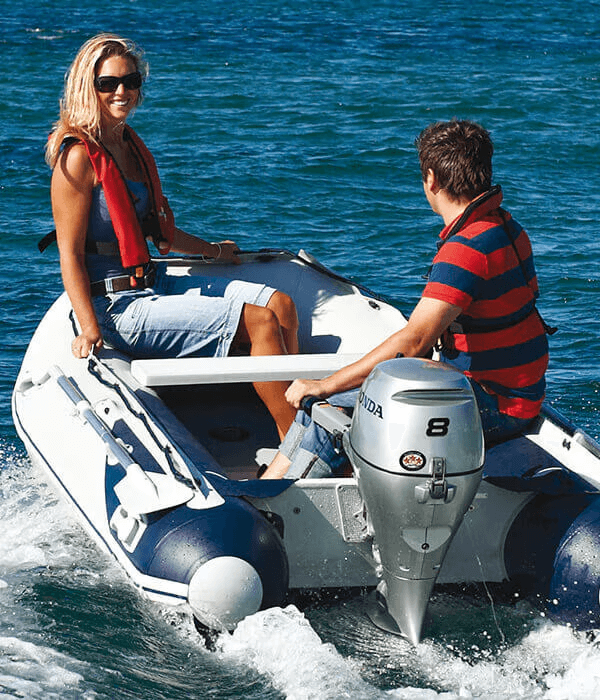
BF8-9.9
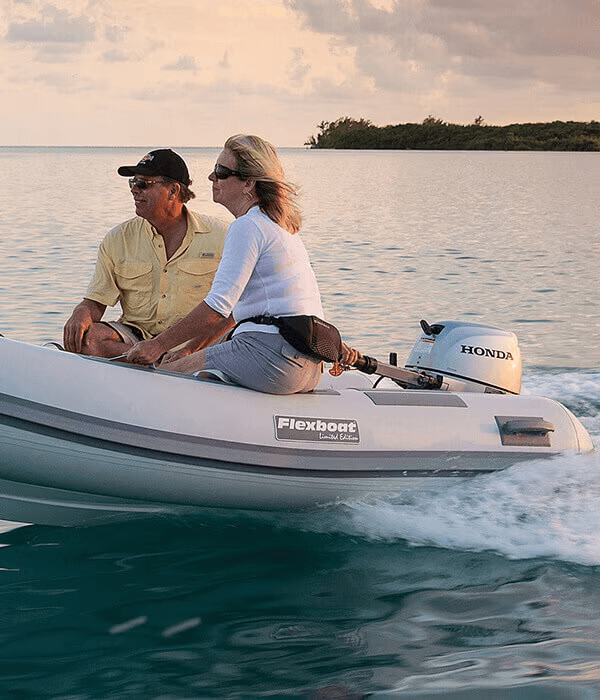

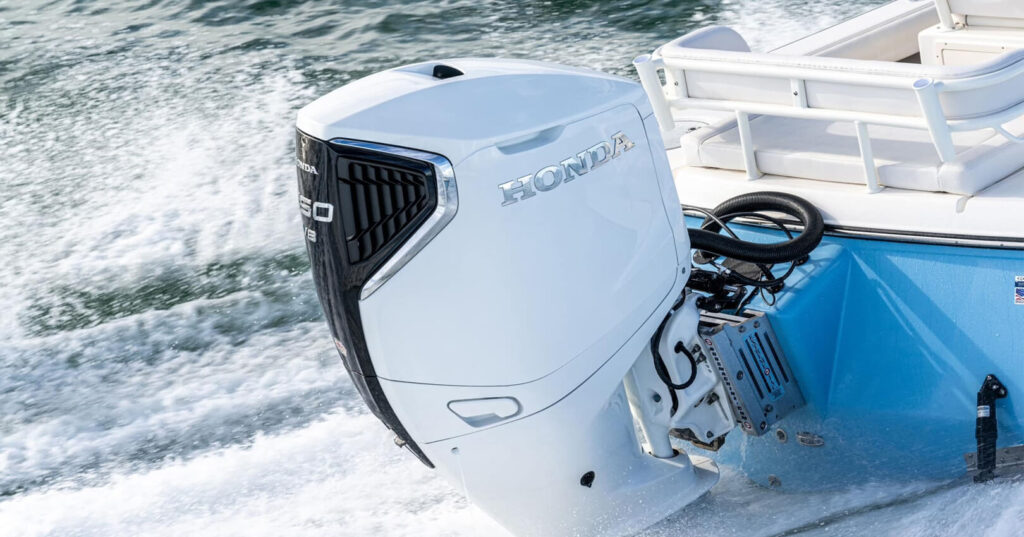
Honda outboard motors attract attention for their innovative design and reliable performance. Their production involves several key facilities around the world, ensuring that these engines meet stringent quality standards. Primarily, Honda’s outboard motors are produced at the Hosoe Outboard Engine Plant in Japan. This strategic location emphasizes Honda’s commitment to precision engineering and efficient global supply.
From small 2 HP to 6 HP models produced outside Japan, the Hosoe facility handles production and distribution for larger outboard motors. As part of Honda’s Power Products division, Honda Marine plays a critical role in providing high-performance engines to boating enthusiasts globally. Each motor passes through a meticulous production line, reflecting Honda’s dedication to crafting engines that stand the test of time.
Given the increasing interest in marine activities, understanding where Honda outboard motors come from paints a broader picture of the brand’s influence in the marine industry. Honda’s global presence in engine manufacturing underscores the importance it places on both quality and accessibility, promising boat owners the reliable performance they expect from this esteemed manufacturer.
Honda Marine’s journey in outboard motor development showcases the pioneering introduction of four-stroke technology and continuous innovative breakthroughs. This history highlights key moments from the birth of Honda Marine to its technological evolution.

Honda Marine began its journey with the launch of the first four-stroke outboard motor in 1964. This initial product, the GB30, marked Honda’s commitment to revolutionizing marine propulsion by prioritizing environmental sustainability and fuel efficiency. The entry of Honda outboards into the U.S. market in 1967 further expanded their reach, paving the way for future innovations and developments. By 1985, Honda had developed a comprehensive range of four-stroke outboards ahead of many competitors, laying a strong foundation for its global presence today.
Over the years, Honda has consistently enhanced its outboard motors with numerous technological updates. The company has focused on improving fuel efficiency, reducing emissions, and increasing overall engine performance. Today, Honda’s motors are produced at the Hosoe Outboard Engine Plant, known for its commitment to precision and quality. The plant is responsible for the production and global supply of a wide range of models, which are available worldwide. This continuous technological advancement ensures Honda’s position as a leader in marine engine innovation.
The production of Honda outboard motors involves stringent material selection and advanced assembly techniques. With a focus on efficiency and precision, Honda ensures each motor meets high standards of performance and durability.
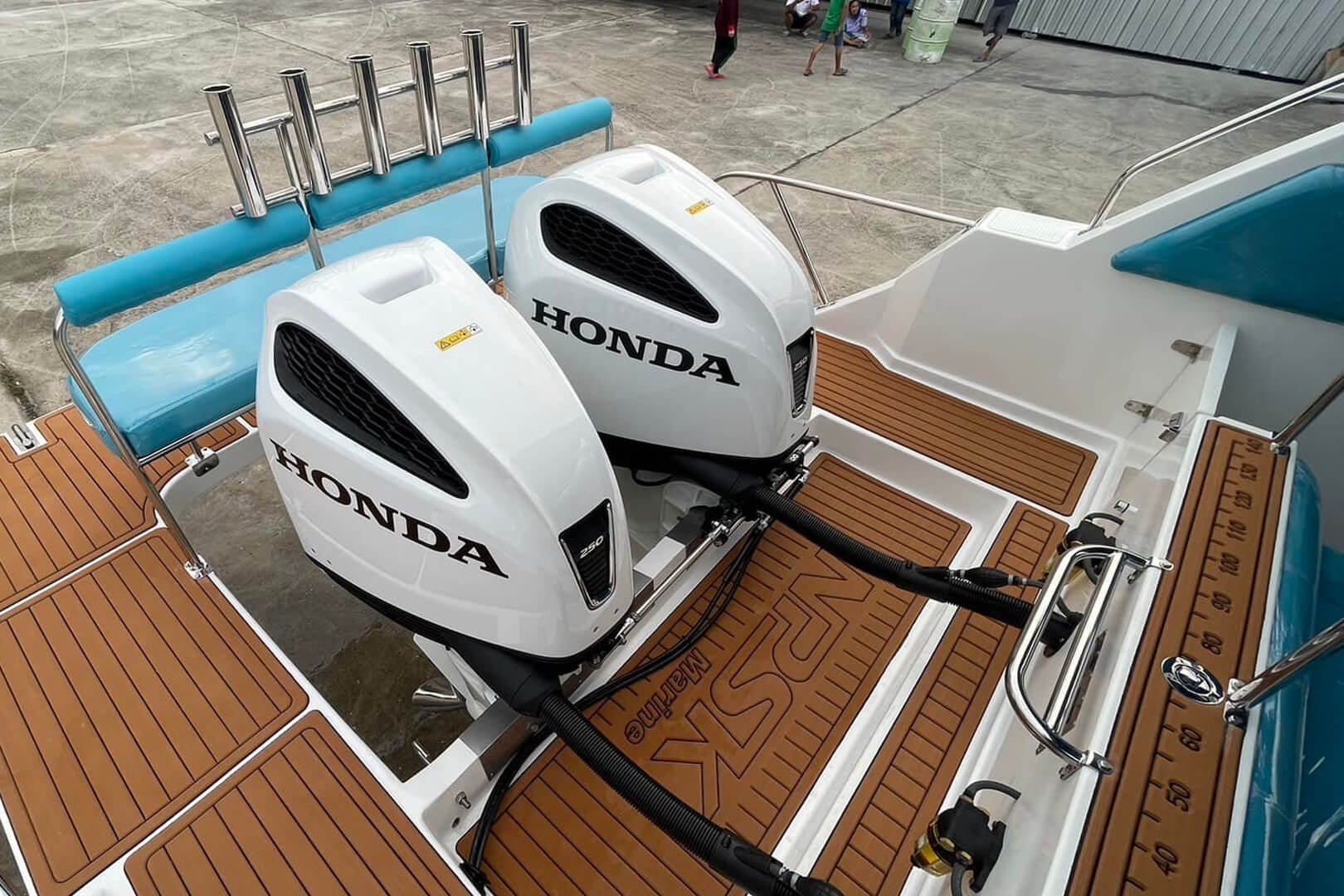
Honda emphasizes selecting high-quality materials for their outboard motors. The use of corrosion-resistant metals is crucial, given the marine environment these engines operate in. Advanced alloys are typically chosen for their strength and resistance to wear and tear.
Quality control is a central part of the process. Each component undergoes rigorous testing to ensure it meets Honda’s performance standards. State-of-the-art inspection technologies like 3D scanning and ultrasonic testing help detect any imperfections early in the production cycle.
Honda prioritizes environmental responsibility by using materials that are both efficient and sustainable. This commitment not only ensures durable motors but also aligns with Honda’s corporate philosophy of reducing environmental impact.
The assembly of Honda outboard motors is characterized by a cell production system. This approach allows a small team to work on a motor from start to finish, fostering accountability and precision.
In the assembly line, automation plays a significant role, aiding in repetitive and precision tasks, while skilled workers handle complex installations that require human dexterity. Each step in the process is meticulously documented, enabling traceability and continuous improvement in production.
Honda’s use of advanced equipment, such as robotic arms and CNC machines, ensures consistency and high standards in the production of these motors. This blend of human expertise and technology contributes to the reliable performance for which Honda outboard motors are known.
Honda outboard motors are produced in several strategically located facilities around the world. These locations are chosen to enhance manufacturing efficiency and optimize distribution logistics.

Honda operates multiple production facilities worldwide, specializing in the manufacture of outboard motors. The Hosoe Outboard Engine Plant in Hamamatsu, Japan, is one of the primary locations responsible for producing a range of outboard engines. This plant handles both production and global supply.
Additionally, Honda manufactures outboard motors at several other global sites, ensuring a diverse geographic footprint. Each facility is equipped with advanced technology to maintain Honda’s high standards of efficiency and quality. This distribution network supports Honda’s ability to export products to numerous countries across different continents.
The strategic placement of Honda’s production facilities directly benefits its global distribution network. Being located in regions like Japan and others allows Honda to cater effectively to its large customer base, reducing shipping times and costs. For instance, proximity to key markets in Asia, Europe, and North America enhances the company’s ability to meet regional demands quickly.
Honda’s facilities benefit from local expertise and resources. Their locations help secure raw materials, skilled labor, and infrastructure that bolster production. This geographic strategy plays a crucial role in Honda’s capability to produce millions of units annually while maintaining reliability and performance in its outboard motors.