BF2.3

BF2.5
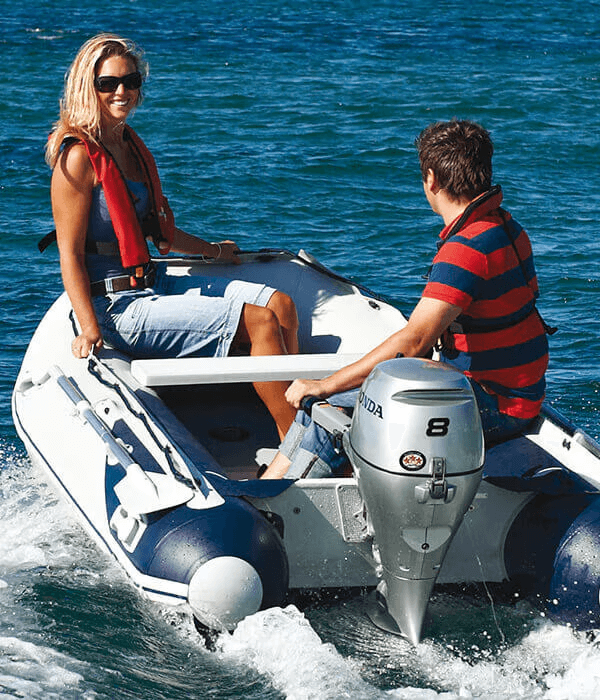
BF8-9.9


A catamaran, often referred to as a “cat,” is a watercraft featuring two parallel hulls of equal size. This design provides enhanced stability due to the wide distance between the hulls, making them a favorite choice for sailors and boating enthusiasts. Unlike traditional single-hulled boats, catamarans offer unique benefits that elevate the experience on the water.
The dual hull structure not only ensures stability but also creates more deck space, allowing for greater comfort and functionality during voyages. Many catamarans are capable of impressive speeds, with some models reaching up to 15 knots. This speed advantage makes them a popular option among those seeking both relaxation and performance on their maritime adventures.
The versatility of catamarans is also noteworthy, as they can be powered by sails, engines, or a combination of both. Their design versatility along with ample space and stability make them a compelling choice for recreational activities and long-distance sailing. Those drawn to both leisure and speed will find catamarans to be an ideal blend of comfort and efficiency.
The history of catamarans is fascinating, tracing back thousands of years to the Austronesian peoples. These early seafarers used outrigger canoes for their maritime journeys, introducing the concept of multi-hulled vessels. This innovation enabled their expansion across the Indian and Pacific Oceans.

The word catamaran has Tamil origins, where “kattumaram” means “tied wood.” This reflects the simple construction techniques used, featuring wooden logs bound together. Over time, the design evolved, enhancing stability and speed.
Catamarans have developed significantly since their inception. In the second half of the 20th century, these vessels gained popularity in sport and recreation, thanks to their twin-hulled design offering enhanced stability and efficiency.
In the modern era, catamarans are seen in various sizes and purposes. From leisurely sailing vessels to advanced racing yachts, they continue to thrive in marine applications. This evolution demonstrates the ongoing allure and adaptability of catamarans.
Their diverse uses and technological advancements reflect the catamaran’s evolution from ancient wooden rafts to the sophisticated structures seen today. This transformation marks a notable journey in nautical history, captivating enthusiasts and historians alike.
Catamarans are unique in their double-hulled design, which contributes significantly to their stability and performance. This section explores the configuration of their hulls and the materials used in their construction, both of which are crucial for their functionality.
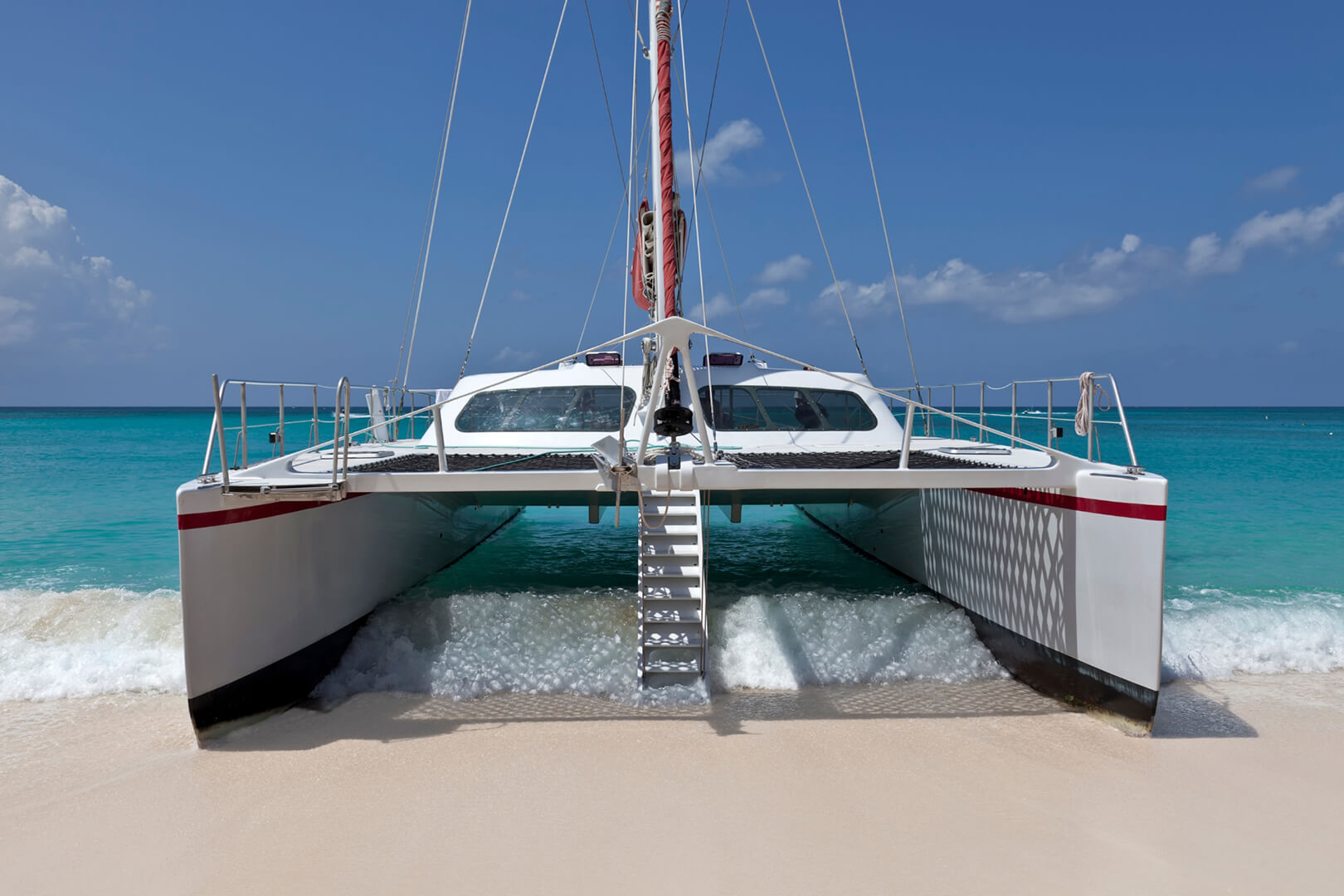
Catamarans feature two parallel hulls connected by a central platform, providing a wide and stable base. This configuration enhances the vessel’s stability and allows for efficient movement through water, giving it an advantage in navigational speed and comfort. The dual-hull design reduces the draft, enabling the boat to navigate in shallow waters where single-hull vessels might struggle. The hulls can be designed for specific conditions, such as wave-piercing designs that reduce resistance and increase efficiency.
Catamarans are constructed using advanced materials that ensure durability, strength, and reduced weight. Common materials include fiberglass, carbon fiber, and aluminum, each offering distinct benefits. Fiberglass is popular for its affordability and ease of maintenance, while carbon fiber offers superior strength-to-weight ratios, ideal for performance-centric models. Aluminum constructions provide excellent resistance to corrosion and impact.
The construction process often involves modern techniques like vacuum infusion, which enhances structural integrity by ensuring a thorough resin-to-fabric saturation. Safety and performance are prioritized in the construction phase, with meticulous attention to detail ensuring the catamaran’s longevity and reliability.
Catamarans come in various forms, each offering unique advantages. The two most common types are sailing catamarans and power catamarans. Each has distinct design characteristics and uses, catering to different preferences and ocean exploration needs.

Sailing catamarans are synonymous with agility and efficiency. They feature two identical hulls connected by a central deck, which enhances stability and reduces drag. This design allows for smooth sailing, even in rough seas. These vessels benefit from spacious layouts that provide ample living and storage space, making them popular for long voyages.
The primary propulsion comes from sails, and they often have auxiliary engines for maneuverability. Sailing catamarans can achieve impressive speeds with favorable winds. Their shallow draft allows access to shallower waters. Their popularity is growing among those looking for eco-friendly options in marine travel, given their reduced fuel dependency.
Power catamarans offer a unique blend of speed and stability, driven by motor engines rather than sails. They have a similar dual-hull design, which provides better fuel efficiency and a smoother ride. These vessels excel in coastal and open-water cruising, favored for their reduced wake and comfortable navigation.
The design layout often includes multiple decks, offering luxurious amenities and spacious interiors. This makes them ideal for leisure cruises and family trips. Power catamarans are known for their versatility, suitable for fishing, entertaining, and long-range cruising. With advances in engine technology, they offer reduced noise and vibration, enhancing onboard comfort during trips.
Catamarans are known for their impressive performance and capabilities on the water. With a design that features two hulls, they offer enhanced stability compared to monohull boats. This multihull setup reduces drag, allowing for a smoother ride even in choppy waters.

A key advantage of catamarans is their speed. The wide beam and lightweight construction enable them to reach higher speeds, making them ideal for both leisure and competitive sailing. Brands like Outremer catamarans emphasize this performance under sail, catering to long-distance cruising enthusiasts and performance sailing.
Additionally, catamarans excel in space and comfort. They provide more deck and cabin space due to their broader build. This generous living area makes them a popular choice for families or groups planning longer voyages.
In terms of versatility, catamarans can handle a variety of sea conditions. The combination of performance, stability, and spaciousness makes them suitable for a range of activities, from leisurely cruising to adventurous ocean crossings.
The catamaran’s capability extends to shallow waters as well. With a shallow draft, they can navigate areas that monohulls typically cannot, providing access to secluded bays and anchorages. This feature enhances their appeal for those exploring diverse marine environments.
Catamarans serve various purposes, from leisure activities to significant roles in commercial and military sectors. Their distinct structure offers advantages in both stability and efficiency.

Catamarans are popular among enthusiasts for their stability and comfort during sailing. Ideal for coastal cruising, these vessels provide ample space for passengers and equipment, making them a favorite for family outings and social gatherings.
Sailing catamarans offer a smooth experience due to their twin-hulled design, reducing motion sickness and enhancing relaxation. Many are equipped with amenities such as cabins, galleys, and entertainment spaces, elevating the onboard experience. Their shallow draft allows access to secluded beaches and remote anchorages, enhancing exploration possibilities for adventure seekers.
In commercial contexts, catamarans see use as ferries, providing efficient transport of passengers and vehicles across waters. Their design ensures minimal wake, which is crucial for operations in sensitive marine environments. The dual hulls contribute to faster speeds and reduced fuel consumption, promoting cost-effective operations for ferry services.
In military applications, these vessels are valued for their stability, which is essential for carrying heavy loads such as equipment or cargo. Catamarans are often employed in naval operations, including patrol, surveillance, and transportation of troops or supplies. Their versatility and efficiency make them a crucial asset in a variety of maritime missions.
Maintaining a catamaran requires a consistent and detailed approach to ensure longevity and safety. Regular maintenance routines high-priority areas like the hulls, bridgedeck, and rigging.
Routine Checks: Every voyage should begin and end with a visual inspection. Attention to detail during inspection can prevent future issues with hulls and rigging.
Preventive Maintenance: Scheduled maintenance is crucial.
Annual Budget: For newer models, it is common to set aside about 10% of the catamaran’s value for annual maintenance. This approach is especially relevant for fiberglass boats.
Professional Assistance: Complex tasks, like those involving electrical systems or engine overhauls, may require professional expertise. This helps maintain the catamaran’s performance.
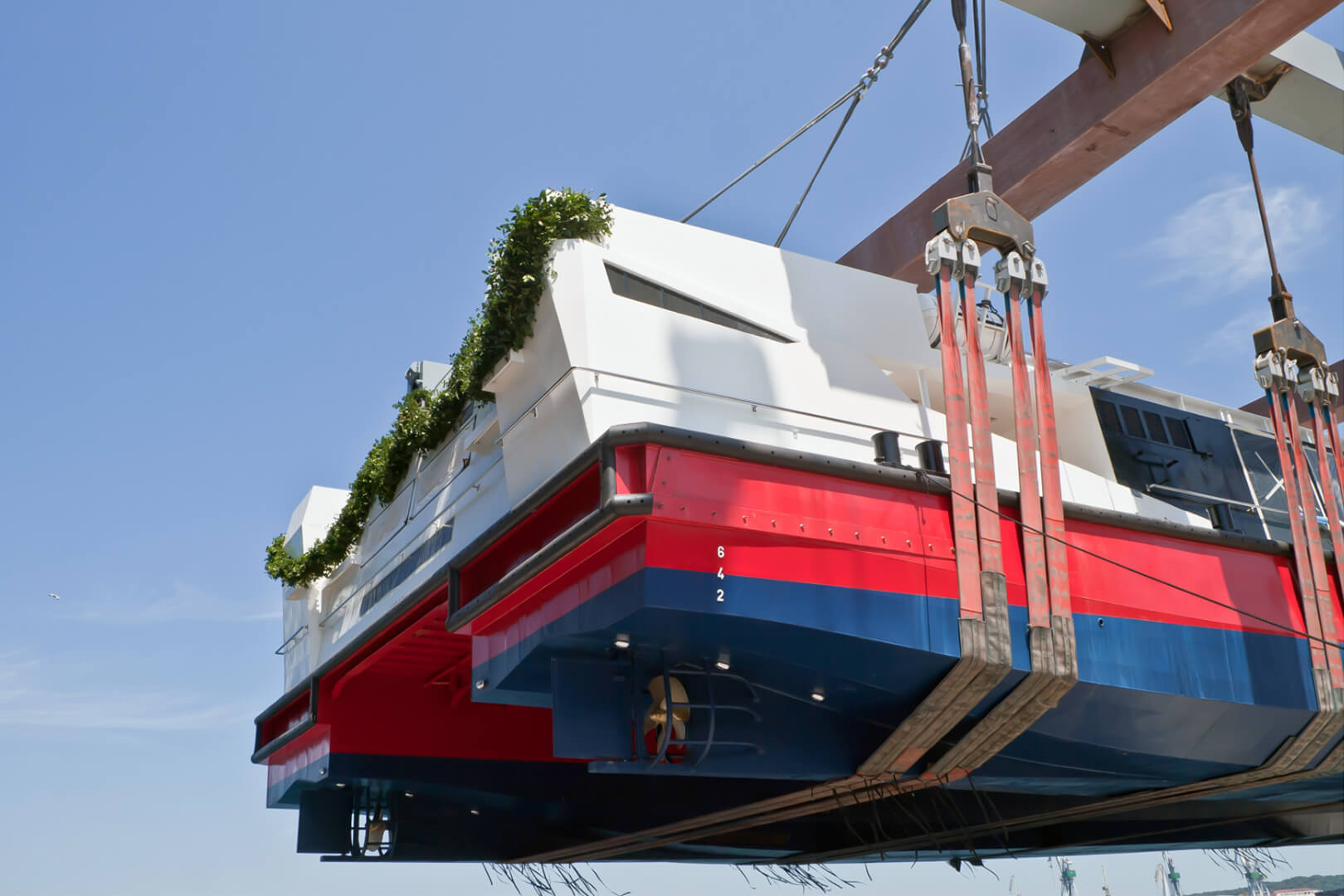
Lifting Procedures: Maintenance tasks might require lifting the catamaran. It involves carefully using cranes with two belts. Understanding this process can be found in articles like this catamaran maintenance guide.
Taking a proactive approach ensures a well-maintained catamaran, providing a safe and enjoyable sailing experience.