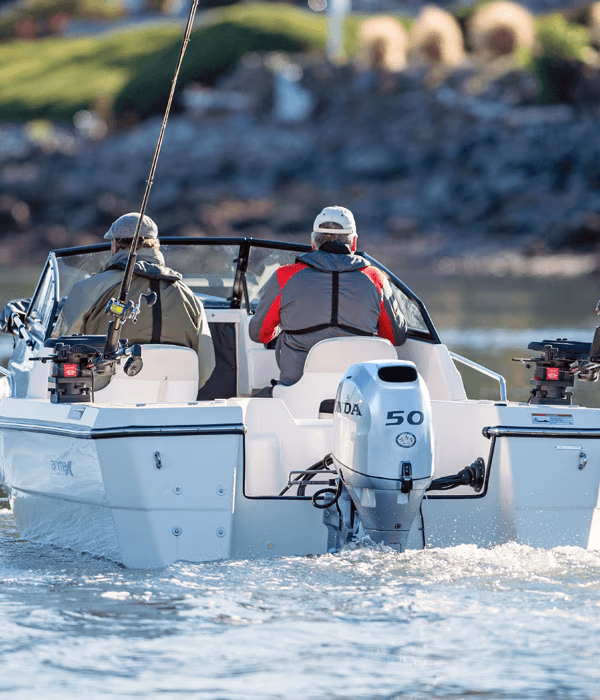
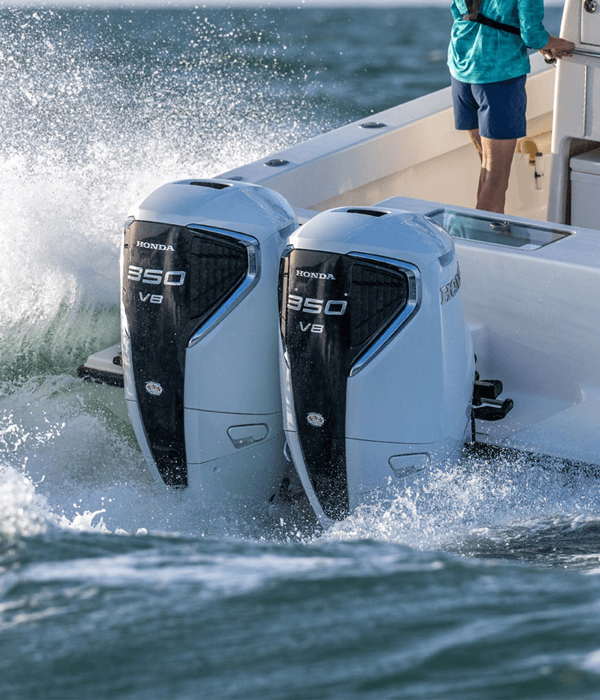
BF2.3

BF2.5

BF8-9.9


Navigating the world of nautical flags opens a fascinating window into maritime communication. These flags serve as an internationally recognized language that allows ships to convey messages without a single spoken word. Each flag has a specific meaning, helping sailors communicate crucial information ranging from safety and navigation to weather conditions. For example, one-flag signals are often urgent or common, while combinations of two flags indicate distress or maneuvering.
Signal flags aren’t just functional; they’re also steeped in tradition and history. Their use has been integral to maritime operations for centuries. Whether at sea or at port, understanding these signals can be crucial for safe and effective communication between vessels. Recognizing the patterns and meanings behind the flags can transform a simple array of colorful cloth into a critical tool for maritime safety.
Many boating enthusiasts find joy and challenge in learning this unique system. From emergency messages to routine communications, decoding these visual signals offers insight into the practical and historical significance of nautical life. Those interested in expanding their nautical skills can greatly benefit by mastering the use of these flags, adding a valuable dimension to their maritime adventures.
Nautical flags hold a unique place in maritime communication, serving as essential tools for conveying messages between vessels. These flags have a rich history and their use is meticulously organized through distinct categories such as alphabet flags, numerical pennants, and common signal flags. Understanding their purpose and application enhances safety and coordination on the water.

The use of nautical flags dates back to the early days of maritime travel. Historically, these flags were critical for communication before the advent of radio. They allowed ships to convey messages across distances, which was vital for avoiding collisions and coordinating movements.
Originally, each nation had its own set of maritime flags, which led to confusion. Over time, a standardized International Code of Signals was established to unify the meanings. This system is recognized worldwide and is crucial for ensuring all vessels can understand each other’s signals regardless of nationality.
Nautical flags today still play an important role in marine activities. Even with modern communication systems, the tradition of using these flags continues in regattas, ceremonial applications, and situations where radio silence is required.
Alphabet flags are a fundamental part of the International Code of Signals. Each flag represents a specific letter and has both a standard phonetic alphabet name and a unique message associated with it. For example, the flag for the letter “A” (Alfa) indicates “I have a diver down; keep well clear at slow speed.”
These flags can be used to spell out messages or to stand alone for specific signals. In more complex communications, they can be combined with numerical flags to provide detailed instructions.
The flags are usually colorful and distinct, making them easy to identify from a distance. They are often flown from the mast or another prominent part of the vessel to ensure visibility to other ships.
Numerical pennants are used in conjunction with alphabet flags to convey numerical information. These pennants represent numbers from 0 to 9 and can be combined to create sequences or codes.
In navigational contexts, numerical pennants are essential for indicating course headings, speed, or specifying items such as waypoints in regattas. They are an integral part of the communication system at sea.
Visual clarity is important, so these pennants are designed to be easily distinguishable. They often include unique shapes compared to standard flags, allowing them to be identified quickly.
Common signal flags include single and combined flag signals that communicate practical maritime messages. These can convey important instructions such as distress signals, requests for assistance, or navigational alerts.
For instance, the single flag “N” (November) signals “No” or indicates negativity, while the combination of “C” (Charlie) and “G” (Golf) may indicate “Ready to sail.”
Flags with specific meanings are used frequently in regattas and by naval fleets to ensure coordinated actions. They remain an important backup communication method and are a symbol of traditional maritime practices.
These flags are essential for ensuring vessels can communicate crucial information without relying on electronic communication, which might fail in certain circumstances.
Understanding how to properly use and handle nautical flags is essential for effective communication at sea. Key aspects include the proper procedures for hoisting and lowering flags, as well as how multiple flags can be combined to convey specific messages.

The process of hoisting and lowering flags follows a precise order, typically based on rank and protocol. The national ensign is raised first at 0800, often followed by other flags like the courtesy flag. Handling them with respect is vital.
To lower flags, the reverse sequence is observed. Flags should be raised briskly and lowered slowly, symbolizing both respect and tradition. Proper timing ensures clarity in communication and maintains nautical etiquette.
Flags can be combined to express complex messages, each combination relying on established codes. Two-flag signals often indicate urgent or distress messages, while three or more can denote time and position.
Four or more flags may signify geographical locations or specific instructions. For instance, six-flag combinations might indicate main cardinal directions and latitude/longitude specifics. Effective use of flag combinations helps maintain clear and efficient marine communication.
Nautical flags are a traditional yet vital system for maritime communication. Understanding these flags helps in identifying different signals, whether they involve single flag messages or combinations of multiple flags.

Each nautical flag represents a letter and has a specific meaning. These flags can convey vital information with just one signal. For instance, the “A” or Alpha flag indicates “Keep clear, diver down” in the water nearby. The “B” or Bravo flag means “carrying dangerous cargo.” The International maritime signal flags are standardized across the world, ensuring that messages remain clear and recognizable to mariners of all nationalities. Often used in both recreational and professional settings, a single flag can convey urgency or provide quick instructions to others nearby.
When two or more flags are used together, they can communicate complex messages. Two-flag signals might indicate distress or maneuvering issues. For example, combining “N” and “C” signifies a danger that ship personnel need to address. When three flags are used, they often relate to directions or specific conditions like compass headings. According to the Nautical Flags and Their Meanings PDF, additional elements like pendants can expand the message, offering more detailed information. Mariners learn to decipher these combinations to ensure safety and efficient communication on the water. Understanding these flag meanings is essential for smooth and safe maritime operations.