BF2.3

BF2.5
BF8-9.9

Understanding the nuances of boating can make all the difference in ensuring a safe and enjoyable experience on the water. One critical measurement that every boat owner should know is the boat’s draft. The draft of a boat is the minimum amount of water needed for it to float without touching the bottom. This knowledge helps prevent running aground and ensures a smoother sailing experience.
In essence, the draft is the depth from the water’s surface to the lowest point of the boat underwater. Knowing this measurement is akin to understanding how much room a car needs to clear an overhead obstacle. This fundamental aspect of maritime navigation is essential for planning trips and understanding the capabilities and limitations of one’s vessel.
Appreciating a boat’s draft not only aids in preventing accidents but also facilitates better navigation through shallow waters. For those passionate about exploring various waterways and settings, grasping the concept of draft can open up a world of new adventures and safe journeys.
Boat draft refers to the vertical distance from the waterline to the lowest point of the vessel. This measurement is crucial for determining how shallow the water can be without causing the boat to touch the bottom. It affects the boat’s maneuverability, docking capabilities, and overall safety.

Boat draft is the measurement from the water’s surface to the deepest part of the boat, usually the keel. It is an essential concept for boaters as it defines the minimum water depth needed for safe navigation. Knowing a boat’s draft helps prevent running aground and allows for better route planning, especially in shallow waters. The draft is a critical factor in various activities like fishing, recreational boating, and shipping. A shallow draft enables access to more secluded and interesting locations, increasing the scope of exploration. A boat’s draft also impacts fuel efficiency and speed, influencing a boat’s overall performance.
Several components contribute to a boat’s draft. The hull design plays a significant role, as deep V-shaped hulls generally have a greater draft compared to flat-bottomed ones. The weight distribution and added load also affect the draft; more weight will cause the boat to sit lower in the water. The type of keel or appendages, like rudders and propellers, are crucial as their depth directly relates to the draft measurement. Understanding these components helps in choosing the right boat for specific activities and water conditions. In areas where the water depth is variable, a keel that can be raised or lowered offers enhanced versatility. For more information on how these components influence draft, check out Sportsman Boats.
Boat drafts vary widely and influence where and how a vessel can navigate. Understanding the different types of drafts helps in knowing which waters are accessible for various boats. Here are some key types of boat drafts that affect a boat’s navigation capabilities.

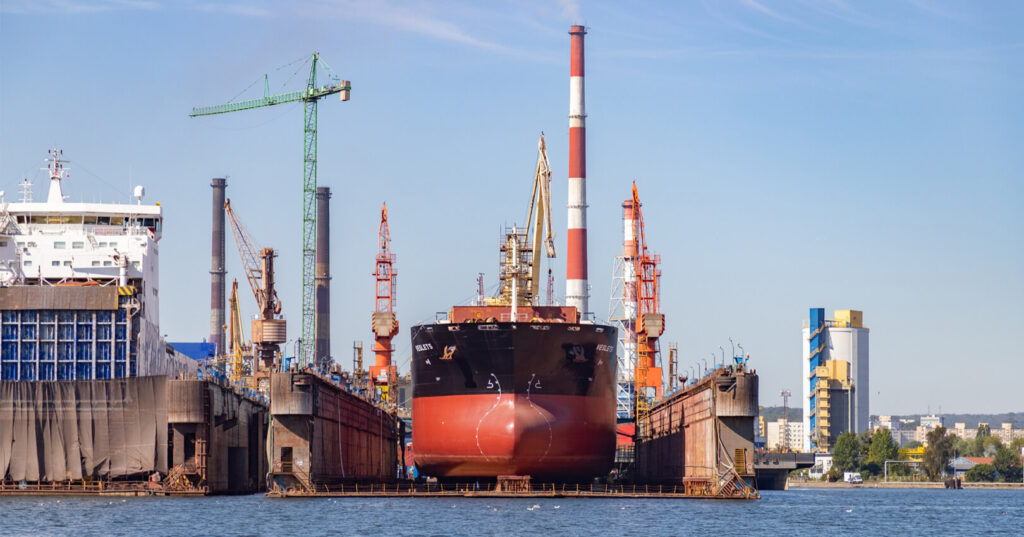
Deep draft boats, such as large sailboats and cargo ships, have a significant depth below the waterline. This type of draft allows for greater stability in open waters and is ideal for trips on larger bodies of water like oceans and seas. These vessels often feature a keel that aids in balance and steering, especially under sail.
The prominent characteristic of deep draft boats is their increased stability due to the greater submerged depth, which helps them resist tipping. However, this also means that they are best suited for deep-water navigation. This limits their access to shallow areas, including certain marinas and coastal inlets.
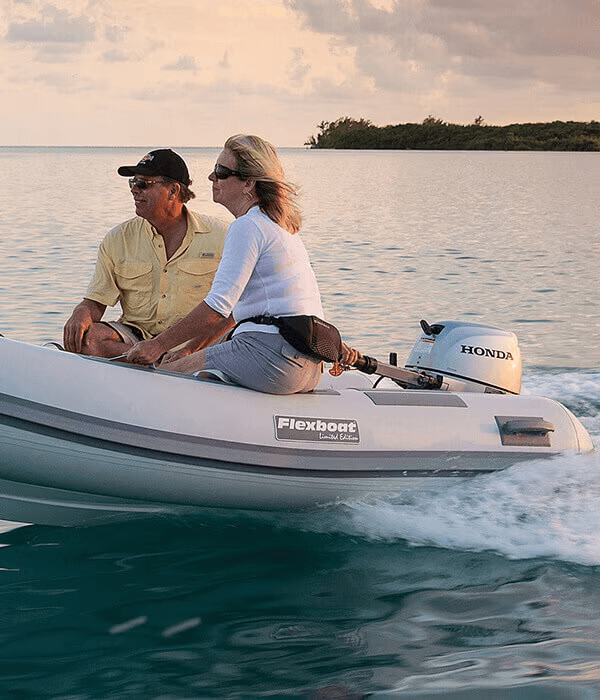
Shallow draft boats are designed to navigate in areas with limited water depth, such as rivers, estuaries, and coastal waters. These boats include flat-bottomed vessels like jon boats and some pontoon boats, which can operate smoothly in waters that are not navigable by deeper draft counterparts.
The main advantage of shallow draft boats is their ability to access secluded spots and cross under bridges with ease. They are popular for fishing and recreational use where depth might be a constraint. However, their stability can vary with different water conditions, so operators must be cautious when venturing into rougher open waters.
Some boats are equipped with variable draft options, providing the flexibility to adjust the draft depth as needed. Sailboats with retractable keels and centerboards are prime examples of this design. By adjusting the draft, these vessels can navigate both deep and shallow waters effectively.
Variable draft systems offer versatility, making them a popular choice for sailors who wish to explore diverse marine environments without switching boats. This innovation allows for enhanced maneuverability and adaptability, expanding the range of potential destinations. Despite their advantages, managing these systems requires knowledge and skill to maintain optimal performance across different water conditions.
Understanding how to measure a boat’s draft is crucial for safe navigation. It involves specific tools and techniques, as well as draft marks and indicators that guide boaters in determining the depth needed to keep their vessel afloat.

To measure a boat’s draft, several tools and techniques can assist. A measuring tape or a laser device can provide an accurate measurement from the waterline to the lowest point of the hull. For a simpler approach, using a plumb line, which is a weighted line, allows the user to measure depth directly.
An alternative technique involves calculating the draft using known dimensions of the boat. This method might require some calculations based on the boat’s design and weight. Boaters can also refer to the boat’s specification sheet if available, which typically contains the draft measurement provided by the manufacturer. By using both traditional and modern tools, boaters can ensure they have a correct understanding of their boat’s draft.
Draft marks and indicators play a vital role in visually determining the draft of a boat. Located on the side of the hull, these marks are usually in increments and allow boaters to see how deeply the boat sits in the water. They are invaluable for quick assessments without the need for tools.
In larger vessels, more sophisticated systems might be integrated. Advanced electronic draft indicators offer real-time data, alerting the crew to changes in draft. Boaters must regularly check these draft marks and indicators for accuracy, particularly after loading or unloading equipment and passengers. Regular maintenance ensures that these marks remain clear and legible, essential for safe boating.
Boat draft plays a significant role in determining how a vessel navigates various water conditions. Understanding the implications of hull shape and weight distribution is crucial for enhancing both performance and safety.

The shape of a boat’s hull affects its draft significantly. A deep V-shaped hull generally increases the draft as it sits deeper in the water. This design is often preferred for ocean-going vessels since it provides better stability in rough seas. Alternatively, flat-bottomed hulls have a shallower draft, making them ideal for sailing in shallow waters. The round bilge configuration is another option, offering a balance between stability and a moderate draft. It’s often used in cruisers which require both comfort and sea-keeping abilities. Hull configuration is pivotal in determining the draft, speed, and maneuverability of a boat.
Weight distribution aboard a vessel also impacts the draft. Concentrating weight towards the stern can cause the bow to lift, reducing the draft at the front but increasing it at the rear. Conversely, a forward weight bias may lower the bow, increasing draft at the front. Effective weight distribution not only involves balancing port and starboard but also adjusting loads along the vessel’s length. This balance is vital for maintaining optimal trim and minimizing drag, which can enhance a boat’s speed and fuel efficiency. Adjustments to ballast, equipment placement, and even passenger seating can be important factors in controlling draft effectively.
Understanding a boat’s draft is essential for safe navigation as it directly affects where a vessel can travel. It influences access to certain waterways and is impacted by tidal and environmental conditions.

Draft limitations are critical for vessels navigating various water bodies. Yachts and ships must adhere to the draft restrictions of harbors, canals, and rivers. These constraints ensure that the vessel doesn’t run aground.
For example, boats with deeper drafts often struggle in shallow waters, limiting their access to smaller or more isolated destinations. Conversely, boats with shallow drafts have the advantage of exploring a broader range of waterways, including those that others cannot reach.
This distinction can be crucial when planning trips through areas with unpredictable depths or when choosing suitable mooring locations. Mariners should always check the depth data of relevant waterways before setting out, to ensure compliance and safety.
Environmental factors, such as tide fluctuations, greatly influence draft considerations. Tides vary based on geographical areas, affecting the navigability of certain routes. High tide may permit access to shallow waterways, while low tide can make them inaccessible.
In some regions, seasonal changes can alter water levels, which can impact draft requirements. Additionally, sediment build-up in some maritime zones can lead to sudden depth changes that affect the draft.
Boaters must monitor tidal schedules and understand how seasonal variations impact their journeys. By staying informed of these effects, mariners can ensure safe and efficient navigation without unexpected difficulties.
Regularly updated charts and local knowledge are invaluable tools for managing these challenges effectively.