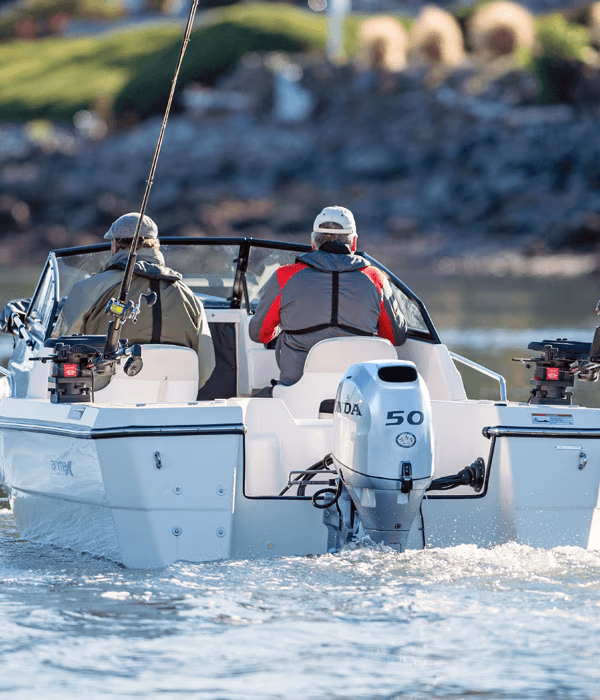
BF2.3

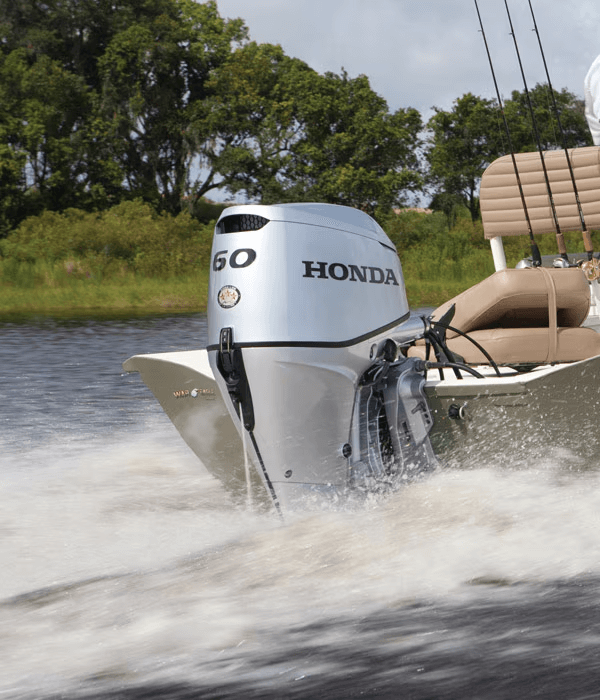
BF2.5

BF8-9.9

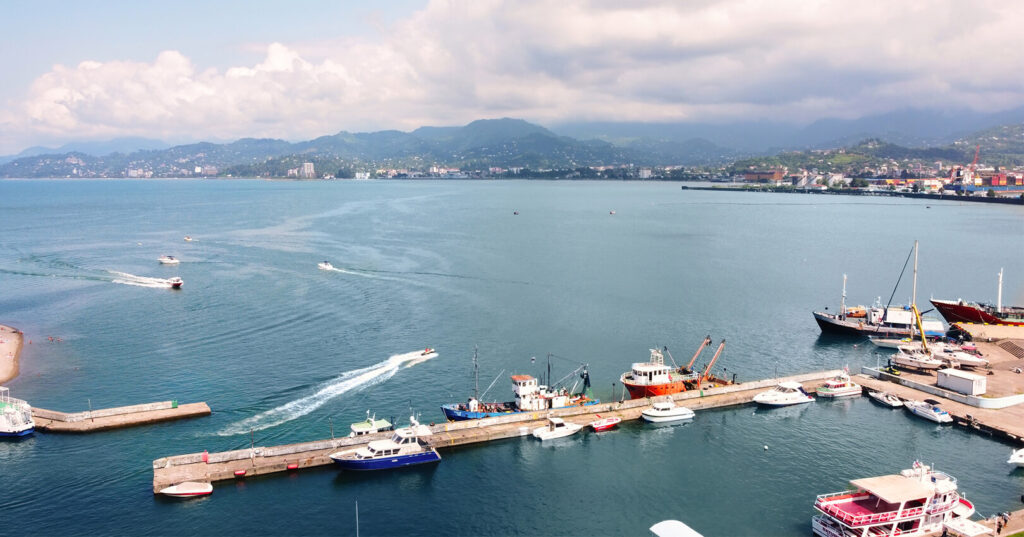
Marine traffic plays a vital role in today’s interconnected world, impacting global economies and daily life. Defined as the movement and tracking of ships and vessels across oceans and seas, marine traffic utilizes real-time data to provide navigation support and vessel positions worldwide. This information is crucial for managing everything from international trade to fishing activities.
Advanced technologies such as AIS (Automatic Identification System) enable accurate tracking of various vessels, ensuring safety and efficiency in maritime operations. This system is beneficial not only for commercial ships but also for passenger liners, fishing boats, and even naval ships. Enthusiasts and professionals alike can explore live ship positions through platforms like MarineTraffic, which offers insights into maritime analytics.
Engaging with marine traffic data opens up a world of possibilities for understanding oceanic movements, logistics, and maritime economics. With rapidly evolving technology, the future of marine traffic holds exciting potentials for enhanced maritime operations and global connectivity.
Marine traffic involves the complex movement of vessels across global oceans and waterways. It plays a crucial role in international trade and the transport of goods. The following sections delve into its definition, scope, and historical evolution.

Marine traffic encompasses the movement and management of various vessels, such as cargo ships, tankers, and fishing boats, on oceans and seas. It involves tracking these vessels in real-time to ensure safe and efficient navigation. Platforms like MarineTraffic provide real-time data on ship movements and harbor locations. This information benefits industries by optimizing shipping routes and reducing operational costs.
Advanced technologies, such as the Automatic Identification System (AIS), have significantly enhanced tracking capabilities. AIS automatically provides data on position, speed, and course, promoting safety and security at sea. Each vessel broadcasts its location, helping in collision avoidance and navigational assistance. Marine traffic also supports environmental monitoring and maritime security.
Marine navigation dates back centuries, evolving from simple tools like the compass and astrolabe to modern satellite-based systems. Early explorers relied on celestial navigation, interpreting the stars to determine their course. Significant advancements occurred with the development of navigational charts and chronometers, which improved accuracy.
In the 20th century, radar and GPS revolutionized navigation, providing precise positional information. The implementation of AIS technology marked a pivotal moment, allowing automated tracking of vessels. This evolution has facilitated the growth of global trade by ensuring efficient and safe maritime operations. Through history, enhancements in navigation technology have continually shaped the landscape of marine traffic, making it more reliable and accessible.
Marine traffic encompasses a range of elements ensuring efficient maritime operations. Key components include various vessels navigating through waters, advanced navigation systems enabling safe voyages, and effective port management to handle ship arrivals and departures.

Vessels are the primary constituents of marine traffic, ranging from massive cargo ships to small fishing boats. Each type of vessel serves distinct purposes, contributing to commerce, transportation, and resource harvesting. Cargo ships, for instance, are pivotal in global trade, transporting goods across vast distances. Meanwhile, passenger ships, such as ferries and cruise liners, focus on human transportation. Fishing boats and research vessels also play crucial roles by supporting industries and scientific exploration. The dynamic nature of marine traffic requires a mix of these watercraft, ensuring that both economic and social needs are met efficiently.
Modern navigation systems are crucial for the safe and efficient movement of vessels. These systems integrate technologies like GPS, radar, and the Automatic Identification System (AIS) to provide real-time data on ship positions. AIS, in particular, broadcasts vital information about a ship’s speed, route, and type, enhancing collision avoidance and monitoring. This helps vessels maintain safe distances and ensures adherence to predetermined routes. Moreover, electronic chart systems offer digital maps, replacing traditional paper charts with more accurate and regularly updated data, facilitating improved decision-making by navigators.
Port management is a vital component in regulating marine traffic. Ports act as hubs for shipping activities, necessitating effective coordination regarding vessel arrivals, departures, and cargo handling. Port authorities deploy systems that monitor vessel movements and allocate docking space efficiently, minimizing delays and congestion. By integrating vessel position data, ports can enhance their operational capacity, optimizing resource usage. Customs procedures, logistics coordination, and safety measures are orchestrated to ensure smooth operations, supporting global trade and local economies. The synchronization of these activities is vital for maintaining the flow of goods and people across the world’s oceans.
Marine traffic monitoring plays a crucial role in ensuring the safety and efficiency of global shipping operations. By utilizing various technologies and services, stakeholders can track the movements of vessels and make informed decisions to optimize maritime operations.

Marine Traffic Services provide essential support to navigation and safety at sea. These services collect and share real-time data about ship locations, course, speed, and other critical factors affecting navigation. Through platforms like MarineTraffic, users can access detailed information about vessel positions worldwide. Using these services, fleet managers, port authorities, and other maritime professionals can monitor ships and respond to any issues efficiently, ensuring smooth maritime operations for all parties involved.
Satellite and AIS (Automatic Identification System) technology are fundamental in modern marine tracking. Satellites capture high-resolution imagery and data from remote regions, allowing for continuous ship monitoring. At the same time, AIS transponders automatically send vessel information like identity, position, and course to receivers across the globe. These technologies collectively form a comprehensive tracking system, offering near real-time insights that aid in managing marine traffic. Companies like UP42 highlight the importance of these systems in providing situational awareness and enhancing safety measures in the maritime environment.
Marine traffic plays a crucial role in global trade and has significant environmental implications. The movement of ships and vessels is vital for the economy, but it also poses environmental challenges.

Marine traffic is essential for facilitating global trade, as it allows the efficient transportation of goods across vast distances. Ships carry a significant portion of the world’s merchandise, handling over 80% of global trade by volume. This network of maritime routes enables countries to import and export goods efficiently, fostering economic growth and international collaboration. With numerous ports worldwide, marine traffic allows for the distribution of a wide range of products, from raw materials to finished goods. This connectivity supports the global supply chain, making it possible for businesses and consumers to access products from around the world quickly and affordably. More on how maritime traffic contributes to trade can be found in the Role of Marine Traffic Tracking.
While marine traffic is integral to the economy, it does have environmental implications. Shipping activities contribute to pollution, including emissions from ships that impact air quality and contribute to climate change. Vessels also produce noise pollution, which can be harmful to marine life, particularly mammals like whales and dolphins. Collisions with marine animals and potential oil spills are other concerns associated with increased maritime activities. The rising demand for shipping services has amplified these issues, highlighting the need for sustainable practices in the industry. Further information on the environmental impacts can be found in Maritime Traffic.
Maritime traffic faces numerous challenges related to safety, security, and compliance with international laws. Addressing these issues is vital to ensure smooth operations and prevent incidents at sea.

Safety and security are paramount in maritime operations. Oil spills and environmental hazards are major concerns. Marine vessels must adopt practices to decrease their ecological impact, as highlighted in discussions about maritime safety.
Congested waterways further compound risks. Increased vessel traffic heightens the chances of collisions, making efficient traffic management crucial. Port authorities actively manage maritime traffic to ensure that ships enter and leave ports safely, minimizing potential hazards to both vessels and port infrastructure. Measures include structured navigation and timely communication to maintain safety standards.
International maritime law establishes the legal framework governing activities at sea. Compliance with these laws ensures safe and orderly maritime operations across borders.
Strict environmental regulations are in place to curtail pollution risks associated with shipping. Maritime traffic management must be aligned with these standards to prevent incidents that could harm marine ecosystems, as discussed in the evolution of maritime traffic.
International laws also address geopolitical challenges, such as maritime sanctions. Such sanctions can complicate operations by imposing restrictions on certain routes or cargoes. Understanding these legal parameters is essential to navigating complex global scenarios and ensuring adherence to international standards.