BF2.3

BF2.5
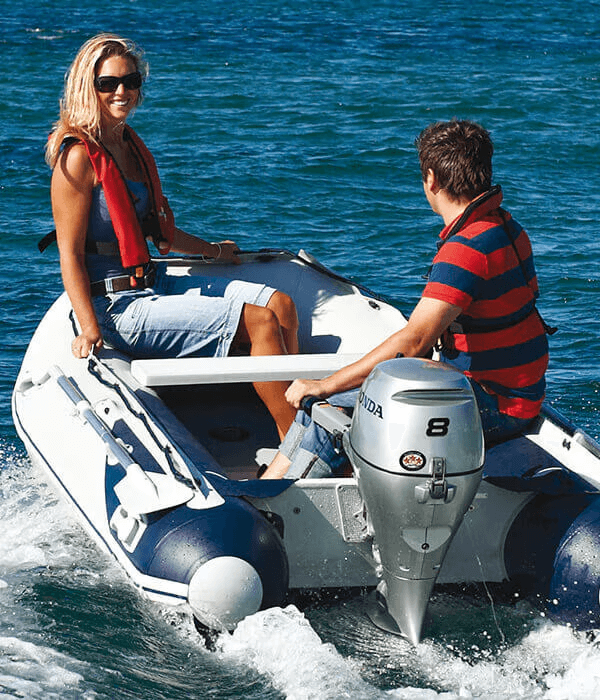
BF8-9.9


Navigating the open waters requires more than just a skilled captain and a sturdy vessel; effective communication is equally vital for safety and coordination. One of the essential tools in marine communication is the VHF radio. To use a VHF marine radio, turn it on, adjust the squelch until the static noise is gone, and select the appropriate channel such as Channel 16 for distress calls.
This might seem straightforward, but understanding the nuances of VHF radio operation can make a difference in emergencies or challenging conditions. Regular practice and adherence to standard radio etiquette ensure clear and efficient communication.
For newcomers and seasoned sailors alike, investing time to learn proper techniques is crucial. With the right knowledge, they can enhance their boating experience while ensuring the safety of everyone onboard. Embracing technology like the VHF radio transforms a day on the water into a secure and enjoyable adventure.
VHF marine radios are crucial for safe navigation and communication on the water. These radios offer reliable channels for distress signals and general communication, ensuring secure and efficient communication among seafarers.

VHF radios operate on specific frequencies designated for marine communication. The standardized channels make it easier for boaters to reach others and emergency services. Channel 16 is the international distress and hailing channel, used for emergencies and establishing contact before switching to a working channel. Boats may also communicate on Channel 9, often used for non-emergency purposes.
Frequencies are measured in megahertz (MHz), typically ranging from 156 to 162 MHz. These channels are simple and are essential for efficient communication. Sailors should familiarize themselves with commonly used channels for specific activities like bridges and weather updates for effective operation of their radio devices. Using these channels appropriately ensures safety while navigating busy or remote waters.
Proper radio etiquette involves clear and concise communication, using universally understood terms to avoid misunderstandings. Users should always begin by identifying themselves, much like answering a telephone call. It’s customary to use the vessel’s name followed by “over” to indicate they are waiting for a response.
A key aspect is the use of the Phonetic Alphabet for clarity, especially when spelling out names or locations. This alphabet uses words like “Alpha” for A and “Bravo” for B, avoiding confusion over similar-sounding letters. Furthermore, maintaining appropriate volume and speaking slowly aids in clearer transmission, especially in harsh weather conditions. Following these etiquette rules enhances communication effectiveness in marine situations, preventing accidents or missed connections.
Proper setup of your VHF marine radio ensures effective communication and safety while on the water. It involves careful installation and configuration of power supplies and antennas to ensure optimal performance.

The initial installation lays the groundwork for a well-functioning radio system. It’s vital to find a dry and accessible location for mounting the VHF radio, typically near the helm for easy access. Use a template, often included by the manufacturer, to align and drill the necessary holes.
Secure the radio using the included mounting hardware. Make sure the unit is stable to withstand any movement while at sea. Double-check the connections to ensure that they are tight and free from corrosion, which could impede performance. This foundation is key to successful and long-lasting radio use.
A reliable power supply is crucial for continuous radio operation. Connect the VHF radio directly to the boat’s battery or a dedicated power bus to avoid issues from power surges. Use appropriate gauge wiring to handle the radio’s power requirements safely.
For the antenna, choose a location as high as possible on the boat for maximum range. Ensure it is free from obstructions and securely mounted. Properly connecting the antenna cable is essential to reducing signal loss. The antenna height and quality can significantly affect effectiveness, making this step particularly important in the setup process.
To effectively initiate a call on a VHF marine radio, it’s important to choose the appropriate channel and utilize proper voice communication techniques. Knowing these details ensures clear and efficient communication.

For initiating a call on a VHF marine radio, it’s crucial to select the correct channel. Channel 16 is used for calling and distress signals. Users should make contact on Channel 16 and then switch to a working channel for conversations. It’s also essential to ensure that the channel is clear before making a call to prevent interruptions. Marinas might have designated channels for communications as well, so boaters should be aware of these. If calling a marina, check their advised channel, often listed in boating guides or online resources. This practice ensures the smooth management of radio traffic.
When making a voice call, start by adjusting the radio to high power if the signal needs to cover a long distance. Hold the microphone a few inches away from your mouth and press the side button to speak. Begin with “Mayday” for emergencies, “Pan-Pan” for urgent but non-life-threatening situations, or “Sécurité” for safety information. For regular calls, state the name of the vessel being called three times followed by “this is” and your vessel’s name. After this, state your message and wait for acknowledgment. If you don’t receive a response, wait and try again. Avoid speaking too fast; clarity is key. Additionally, always release the button after speaking to listen for a reply, promoting effective two-way communication.
Marine emergencies require quick and precise communication. This section will focus on the necessary actions to take when using a VHF marine radio during distress situations, including specific distress signals and how to use the DSC functions for rapid response.

When facing an emergency on the water, broadcasting a distress signal promptly is vital. Using VHF Channel 16 is recommended. Key the microphone and declare “Mayday” three times, followed by the vessel’s name, position, nature of distress, and request for assistance. It’s crucial to keep the message clear and concise to facilitate accurate help.
For less urgent situations, the call “Pan-Pan” is appropriate, signifying urgency without immediate danger. The consistency in message format helps others in the vicinity understand and respond appropriately. Familiarizing oneself with specific protocols, like those from BoatUS Foundation, ensures preparedness.
Digital Selective Calling (DSC) is a feature designed to enhance VHF communication, providing automated signaling in distress situations. Activating the DSC distress button sends out an automated distress alert with vessel identification and position information. This function can simplify the process of getting the necessary maritime help.
Engaging the DSC not only automates the distress alert but also ensures a continuous call until acknowledged by maritime authorities or nearby vessels. Maintaining the DSC functions up-to-date is crucial, as it allows for more effective rescue operations. Consistent practice with this feature ensures confidence and swift action during emergencies, as noted by the US Coast Guard.
Proper care and understanding of common issues with a VHF marine radio ensure reliable communication while on the water. Adequate maintenance and quick troubleshooting can prevent many potential problems and maintain optimal performance.

Regular checks and upkeep of a VHF marine radio are vital for its longevity. Battery health is critical; regularly monitor charge levels and replace batteries when needed to ensure consistent performance.
Inspect antenna connections frequently for corrosion or damage and clean them using a dry cloth. Maintaining a secure and clean connection enhances signal quality. It’s also helpful to keep a spare fuse on hand, as recommended in guidelines for installing and maintaining your VHF radio.
Clean radio controls and screens regularly. Use a soft, slightly damp cloth to remove salt and grime, which can interfere with device operability. Perform a quick function check by turning the radio on and ensuring it’s operating on the correct channel.
One common issue is experiencing static or lack of sound. Adjust the squelch control; set it as low as possible without hearing static, as noted in the Marine VHF Radio Basics guide. This adjustment filters out background noise for clearer communications.
Signal problems can also arise from poor antenna connections. If communications drop, inspect the antenna for damage or loose connections.
If the radio fails to power on, ensure that power cables are properly connected and that the radio’s power source is functional. By checking these common elements, many communication disruptions can be resolved efficiently.